
"Japanese hospitality"
200 article(s) found

General knowledge of Fine Coffee Culture Coffee Culture of various countries
I have heard that France once drank less coffee because of a shortage of coffee, and immediately saw more people taking a nap. It may seem like an exaggeration, but it is true that the French are addicted to coffee. When the Gulf War broke out in 1991, France was also one of the countries participating in the war. some ordinary people in China worried that the war would affect the supply of daily necessities and rushed to supermarkets to buy them. Even the TV station was alarmed when the camera was in front of it.
General knowledge of Fine Coffee Culture Coffee Culture of various countries
French coffee culture once heard that France once drank less coffee because of a shortage of coffee, and immediately saw more people napping. It may seem like an exaggeration, but it is true that the French are addicted to coffee. When the Gulf War broke out in 1991, France was also one of the countries participating in the war. some ordinary people in China worried that the war would affect the supply of daily necessities and rushed to supermarkets to buy them. Even the TV station was alarmed by this.

New opening of Starbucks Institute for drinking Coffee beside World Heritage site
(photo / takizawa jo) Yuzhi's first Starbucks opened on March 31, 2017 at Taishen Road next to the World Heritage House of Equality. Different from the general Starbucks store design, in order to integrate with Yuzhi streetscape, large glass windows are used to create a situation that integrates with outdoor nature, and consumers can relax and enjoy coffee in the Japanese cultural space.
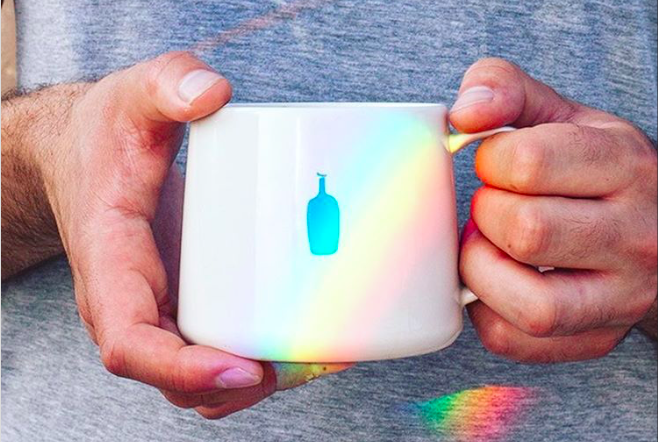
[blue bottle Coffee Blue Bottle] Tokyo must go to the boutique coffee world of pilgrimage Apple
Exchange of professional baristas Please follow the coffee workshop (Wechat official account cafe_style) the so-called boutique coffee world Apple Blue Bottle Coffee is a must-visit shop for many coffee fans when they come to Tokyo. Since Blue Bottle Coffee Japan opened its first branch in Qingcheng Baihe in 2015, it has triggered the third wave of coffee craze in Tokyo, and more and more independent travelers will visit Japan.
Coffee is popular in Japan as a "messenger of peace".
The first coffee spread to Japan was Nagasaki in the Yuanlu period. And people officially accepted it from the Meiji era. When coffee shops in Western Europe opened one after another, the literature and art of coffee culture were in bloom, while Japan was in the midst of a strict policy of locking countries in the Edo era. At that time, the first drink coffee was set up at the Dutch store on the island of Nagasaki (1641).

The basic knowledge of the tea ceremony the correct seven steps to illustrate the gestures and etiquette of the tea ceremony
In our previous blog, we discussed the tea culture around the world and the traditions of some countries. You may have noticed that we did not discuss Japanese tea culture in that blog, because Japanese tea culture is so deep-rooted and extensive that we think it is fair to dedicate the whole blog to the tea culture of this country. Historical Japanese tea ceremony
The drinking Culture of Coffee develops the Coffee Culture in Japan
The first coffee spread to Japan was Nagasaki in the Yuanlu period. And people officially accepted it from the Meiji era. When coffee shops in Western Europe opened one after another, the literature and art of coffee culture were in bloom, while Japan was in the midst of a strict policy of locking countries in the Edo era. At that time, the first drink coffee was set up at the Dutch store on the island of Nagasaki (1641).

The first coffee spread to Japan was Nagasaki in the Yuanlu period.
The first coffee spread to Japan was Nagasaki in the Yuanlu period. And people officially accepted it from the Meiji era. When coffee shops in Western Europe opened one after another, the literature and art of coffee culture were in bloom, while Japan was in the midst of a strict policy of locking countries in the Edo era. At that time, the first drink coffee was set up at the Dutch store on the island of Nagasaki (1641).
Why can coffee make people love it? coffee is fascinating.
There are about 1 billion people in the ball, and the first thing in the morning is to have a cup of coffee to start their day. Among these 1 billion people, the proportion of Chinese is increasing year by year. A survey shows that 70% of Chinese people drink coffee, and 30% of them have formed the habit of drinking coffee every day. However, when we were nurtured in the fragrant and pleasant tea culture, we always felt bitter and astringent.

Coffee Encyclopedia: coffee Culture in five different countries
Coffee culture has a long history, and the long history has accumulated the profound heritage of the world coffee culture, and the coffee culture of various countries is even more colorful. Let us take you into this colorful journey of world coffee culture and show you the essence of coffee culture of five different countries. French coffee culture once heard that France once drank less coffee because it was out of stock, and immediately saw more people napping.
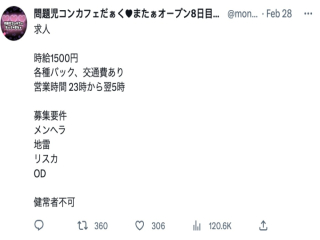
The coffee shop of Japanese sick Jiao maid shows a special feature of human blood! There is a quarrel in the medical profession!
Professional coffee knowledge exchange more coffee bean information please follow the coffee workshop (Wechat official account cafe_style) more boutique coffee beans please add private Wechat Qianjie coffee, WeChat: qjcoffeex in the two-dimensional popular area of Japan, people have long been accustomed to various maid themes.
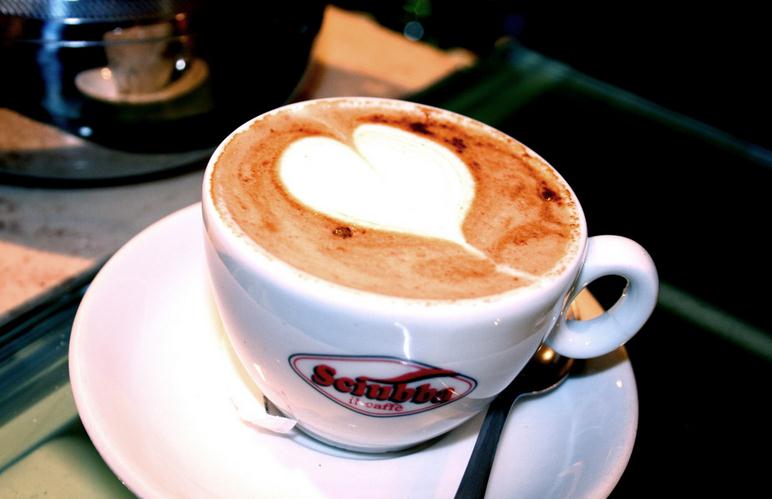
Japanese media: Chinese young people are fastidious about extravagance and like to go to fashionable cafes to pursue high-priced beauty
For these petty bourgeoisie, going to a fashionable coffee shop has become a typical behavior to show their light extravagance. Japanese media reported on December 13 that competition among Chinese coffee shop chains is becoming increasingly fierce. Starbucks Coffee of the United States, the world's largest coffee shop chain, has proposed to open 3400 stores in China by 2019, which will become the country with the largest number of Starbucks overseas stores. Japanese book
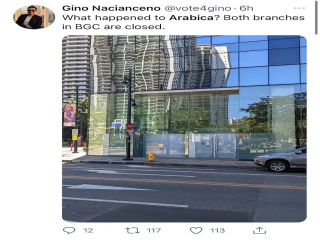
% arabica Coffee has been abandoned by foreign cooperative agents to create a Philippine local coffee brand.
Some time ago, the coffee workshop reported that Filipino netizens posted that all local arabica coffee shops suddenly locked their doors, so local netizens and the media asked% arabica if he was going to withdraw from the Philippine market. Later,% arabica announced him on Facebook.

The 16th SCAJ Conference will be held in Tokyo on November 17th! The industry's first barista ambassador is a male artist?
On November 1st, the Japan Fine Coffee Association (SCAJ) announced the industry's first "SCAJCoffeeMeister Ambassador-TETSUYA (Tetsuya Tuda). When the code clerk wondered who all the qualified people were authorized by SCAJ for the first time to represent Japanese boutique coffee.
What happens when you drink hot coffee with ice? An interesting idea what are the benefits of drinking hot coffee?
Professional coffee knowledge exchange more coffee bean information Please follow the coffee workshop (Wechat official account cafe_style) to wake you up. Many people drink coffee. Some Japanese experts believe that drinking hot coffee is faster than iced coffee. Domestic dietitians believe that it is mainly because hot drinks promote blood circulation, but they also emphasize that the same amount of caffeine does not matter whether it is cold or hot.

Why do all kinds of medical experts "spoil" coffee?
A survey shows that 70% of Chinese people drink coffee, and 30% of them have formed the habit of drinking coffee every day. However, when we were nurtured in the fragrant and pleasant tea culture, we always felt a little separated from the bitter and rich Western-style coffee culture. Many people seem to face the enemy at the mention of caffeine. The report that drinking coffee leads to calcium loss and is prone to osteoporosis also makes us not hesitate.

Japanese Media: increasingly fierce Competition among Chinese chain Coffee shops Competition of Starbucks VS Local Coffee Enterprises
Competition for Coffee in China the competition among Chinese coffee shops is becoming increasingly fierce. Starbucks Coffee of the United States, the world's largest coffee shop chain, has proposed to open 3400 stores in China by 2019, which will become the country with the largest number of Starbucks overseas stores. At the same time, local Chinese companies such as Pacific Coffee are catching up by developing localized menus such as oolong tea lattes. Due to

Beijing specialty cafe 2018 must-visit list Peanut Cafe the most popular peanut coffee
Professional coffee knowledge exchange more coffee bean information please follow the coffee workshop (Wechat official account cafe_style) Beijing is a big circle, where you can always find the kind of life you want. For example, cafes, which not only have the taste of Starbucks chains, but also the small shops hidden in the streets and alleys, some of which follow the Japanese style.

A comparison of the differences between Chinese Tea Culture and Japanese Tea Culture the basic knowledge of the introduction to Tea ceremony
According to Chinese tea tradition, Emperor Shennong discovered tea more than 5000 years ago, when dry tea fell into a pot of boiling water. He liked the taste and vitality of the mixture and commissioned the tea garden. In China, different dynasties rise and fall. Moreover, with each dynasty, the use and preparation of tea have changed and developed. The unity of the country has led to the transformation of tea from a kind mainly enjoyed by the upper class.
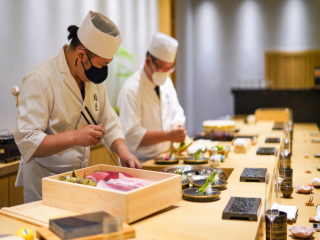
What is omakase? A coffee shop in Japan launched coffee "give it to you", 7 cups an hour!
Professional coffee knowledge exchange more coffee bean information please follow the coffee workshop (Wechat official account cafe_style) more boutique coffee beans please add private Wechat Qianjie coffee, WeChat: qjcoffeexOmakase is the "top card" in the western food industry, even French food is lower in front of it.